
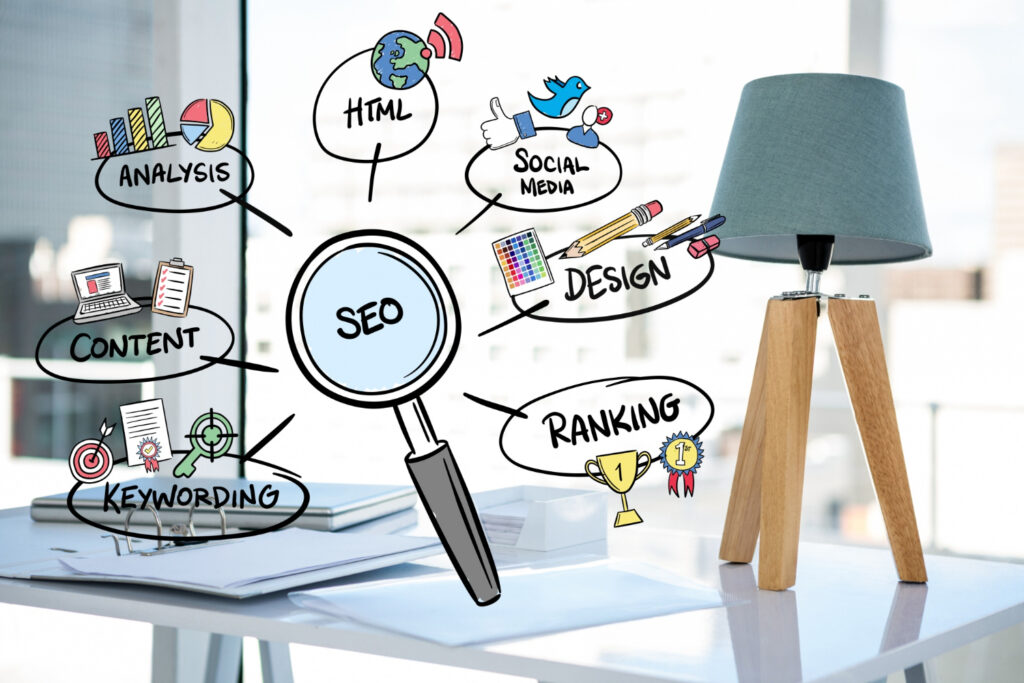
The Ultimate On-Page SEO Checklist for Beginners in 2025
Introduction
If you are starting your online journey in 2025, one of the most essential skills you must master is SEO (Search Engine Optimization). Without SEO, even the most valuable content may remain invisible to search engines and potential readers. Among the different aspects of SEO, on-page optimization is the foundation where everything begins. This is why understanding and applying a Complete On-Page SEO Checklist is critical for every beginner who wants to succeed online.
This guide will walk you through every detail of on-page SEO Checklist step by step. Whether you run a blog, an e-commerce store, or a business website, following this checklist will help you optimize your site correctly, attract more visitors, and increase conversions. By applying these strategies consistently, you can build a strong online presence that not only ranks but also engages and retains your audience for the long term.
If you are starting your online journey in 2025, one of the most essential skills you must master is SEO. But before that, make sure you have a strong foundation in blogging—check out our Blogging for Beginners Guide.
What Is On-Page SEO?
On-page SEO refers to all the practices and techniques applied directly to your website to improve its visibility in search engines. Unlike off-page SEO (which involves backlinks, promotions, and social signals), on-page SEO is entirely under your control. By following an On-Page SEO Checklist, you can optimize content, structure, design, and technical factors more effectively.
By using the On-Page SEO Checklist, you ensure your site follows Google’s latest guidelines while providing visitors with the best possible user experience. In 2025, user experience and high-quality content are more important than ever. The stronger your foundation in on-page SEO, the easier it becomes to benefit from advanced off-page strategies in the future.
By using the On-Page SEO Checklist, you ensure your site follows Google’s latest guidelines. For more insights on improving rankings, don’t miss our guide on Blogging and SEO Tips, Strategies & Benefits.
The Complete On-Page SEO Checklist for Beginners in 2025
Here is a step-by-step breakdown of the most important on-page SEO elements to focus on:
1. Keyword Research and Placement
- Identify the right keywords using tools like Google Keyword Planner, Ahrefs, SEMrush, or Ubersuggest.
- Place your target keyword naturally in the title, meta description, headers, introduction, and conclusion.
- Avoid keyword stuffing—Google penalizes unnatural repetition.
- Include secondary and long-tail keywords for better topical coverage.
- Analyze competitor keywords to find gaps and opportunities.
- Organize keywords into topic clusters to build authority.
2. Optimize Title Tags
- Keep titles under 60 characters for better SERP visibility.
- Use the main keyword near the beginning.
- Make titles attractive, actionable, and click-worthy.
- Add numbers or power words (e.g., “Top 10,” “Complete Guide”) where suitable.
- Test variations with A/B tools to maximize click-through rates.
3. Write Compelling Meta Descriptions
- Keep descriptions under 160 characters.
- Summarize content in a way that grabs attention.
- Use your main keyword naturally.
- Write unique descriptions for every page.
- Add a clear call-to-action (CTA) to encourage clicks.
4. Use Proper Header Tags (H1, H2, H3)
- Use only one H1 tag per page, containing the primary keyword.
- Use H2 and H3 tags for subtopics to maintain structure.
- Organize content logically for readability.
- Place keywords naturally in headings to strengthen SEO relevance.
- Break down long sections into smaller, scannable parts.
5. Content Quality and Length
- Write in-depth, problem-solving content.
- Aim for 1,500–3,000 words per blog post; go higher for pillar articles.
- Use statistics, case studies, and examples to increase credibility.
- Update content regularly to keep it fresh.
- Use storytelling to make your writing engaging.
- Balance depth with readability for broad appeal.
- Always cross-check your articles with an On-Page SEO Checklist to make sure no important factor is missed.
6. Keyword Density and Natural Usage
- Keep focus keyword usage at around 1–2%.
- Use synonyms and related terms (LSI keywords).
- Focus on readability and flow over forced keywords.
- Place keywords in introduction, body, and conclusion.
- Optimize for semantic search by answering intent-based queries.
7. Optimize Images
- Compress images to improve site speed.
- Use descriptive alt text with relevant keywords.
- Save images in WebP format for faster loading.
- Use descriptive file names (e.g., “seo-checklist-2025.jpg”).
- Add captions when useful for context.
- Use image sitemaps for better indexing.
- Following an On-Page SEO Checklist helps you build topic clusters through interlinking.
8. Internal Linking
- Link to relevant articles within your site.
- Use descriptive anchor text instead of “click here.”
- Maintain a natural linking flow.
- Update older posts with links to new content.
- Build topic clusters through interlinking.
- Create cornerstone articles that support related pages.
9. External Linking
- Link to authoritative, credible websites.
- Avoid linking to direct competitors.
- Set external links to open in new tabs.
- Regularly check and fix broken links.
- Use citations to support claims and build trust.
10. URL Structure
- Keep URLs short, clean, and keyword-rich.
- Use hyphens instead of underscores.
- Avoid unnecessary numbers or symbols.
- Create descriptive SEO-friendly slugs.
- Maintain consistency across all site URLs.
11. Mobile Optimization
- Ensure full responsiveness across devices.
- Test on multiple screen sizes.
- Google prioritizes mobile-first indexing.
- Avoid slow-loading mobile features.
- Design with usability in mind—large buttons, clear menus.
12. Improve Site Speed
- Use caching plugins or CDNs.
- Compress JavaScript, CSS, and HTML files.
- Optimize all images and media.
- Aim for loading times under 3 seconds.
- Test speed with tools like GTmetrix or PageSpeed Insights.
13. User Experience (UX)
- Use intuitive navigation menus.
- Avoid intrusive or distracting pop-ups.
- Ensure text readability with proper font and spacing.
- Use clear CTAs to guide users.
- Create a clean design with logical structure.
- Incorporate multimedia like videos or infographics.
14. Schema Markup
- Add structured data to improve Google’s understanding.
- Use schema for articles, reviews, FAQs, and products.
- Validate schema with Google’s Rich Results Test.
- Rich snippets improve click-through rates.
- Consider using HowTo schema for tutorials.
15. Optimize for Voice Search
- Use conversational language to match natural speech.
- Answer direct, common questions.
- Focus on long-tail and “question-style” queries.
- Create FAQ sections for voice search targeting.
- Structure answers concisely for featured snippets.
16. Multimedia Integration
- Add videos to boost engagement and dwell time.
- Use infographics to explain complex topics.
- Offer downloadable resources like PDFs or checklists.
- Include podcasts or audio clips where relevant.
17. Content Readability
- Write in short paragraphs.
- Use bullet points and numbered lists.
- Keep sentences simple and clear.
- Use tools like Hemingway or Grammarly to refine readability.
- Ensure accessibility for diverse audiences.
Advanced Tips for On-Page SEO in 2025
- E-E-A-T (Experience, Expertise, Authoritativeness, Trustworthiness): Highlight author credibility and expertise.
- AI-Friendly Content: Write naturally so AI-driven engines interpret your content effectively.
- Core Web Vitals: Optimize LCP, FID, and CLS metrics.
- Content Refreshing: Update old posts with new stats and insights.
- User Signals: Track bounce rate, dwell time, and CTR for improvement.
- Content Clusters: Build authority by grouping related posts.
- Multilingual SEO: If applicable, optimize for different regions and languages.
- By sticking to this On-Page SEO Checklist, beginners can apply proven best practices while adapting to Google’s ever-changing algorithms.
For additional expert insights, you can also explore this On-Page SEO Guide by Moz.
Common Mistakes to Avoid
- Keyword stuffing or over-optimization.
- Publishing duplicate or plagiarized content.
- Ignoring mobile optimization.
- Skipping meta descriptions.
- Allowing slow site speed.
- Overusing exact-match anchor text.
- Neglecting to update content.
- Writing only for search engines, not readers.
- Failing to track SEO progress with analytics.
Conclusion
On-page SEO is the cornerstone of a successful website. By following this Complete On-Page SEO Checklist for Beginners in 2025, you will improve your rankings, deliver more value to readers, and build a sustainable online presence. The key is consistency—apply these practices across all your content and watch results grow steadily.
If you want higher rankings and steady organic traffic, start implementing these strategies today. Remember: SEO is not a one-time fix but an ongoing process that evolves with algorithms and user behavior.
Once you optimize your blog with proper SEO, you can start building traffic and monetizing your skills. If you’re also interested in making money online, check our list of the Best Freelancing Platforms to get started.
Call to Action (CTA)
Are you ready to take your website to the next level? Start applying this On-Page SEO Checklist right now and watch your rankings improve. Don’t wait—Google rewards websites that take action early and stay consistent! Begin today and position your site as an authority in your niche.
Frequently Asked Questions (FAQs)
1. What is the difference between on-page and off-page SEO?
On-page SEO covers elements inside your website (content, titles, structure). Off-page SEO involves external factors like backlinks, brand mentions, and social signals.
2. How long does it take to see results from on-page SEO?
Typically, results appear within 2–3 months, but only if your On-Page SEO Checklist is applied consistently and execution quality.
3. How many keywords should I target per page?
Focus on one main keyword and use secondary keywords to support it. This avoids keyword cannibalization.
4. Is content length important for on-page SEO?
Yes. Longer, well-structured content often ranks higher because it provides more depth and value.
5. Do I need technical skills to apply this checklist?
Not necessarily. Many tasks can be handled using WordPress plugins or website tools.